
-
rs5045100
- Posted on
- Categories:Blog
- 0 comments
Constipation is common in children and can lead to discomfort, irritability, and even anxiety around using the bathroom. As a parent, understanding what causes constipation in children and knowing safe, natural remedies can make a big difference in helping your child feel better. This guide covers common causes of constipation in kids, ways to prevent it, and gentle treatments to support healthy digestion.
Causes of Constipation in Children
- Diet Low in Fiber
Children who consume a diet high in processed foods, refined sugars, and low in fiber are more likely to experience constipation. Fiber adds bulk to stool, helping it move through the digestive tract more easily. - Dehydration
When kids aren’t drinking enough water, it can lead to hard stools that are difficult to pass. Dehydration is a common cause of constipation, especially if children are active or live in hot climates. - Holding Stool
Some children may avoid going to the bathroom, especially if they feel anxious or if using the bathroom is uncomfortable. Holding in stool for too long can cause it to become hard and dry. - Changes in Routine
Events like travel, starting school, or changes in diet can disrupt a child’s normal digestive routine and lead to constipation. - Emotional Factors
Stress and anxiety, particularly about toilet training or school, can sometimes contribute to constipation in children. - Medical Conditions and Medications
Though less common, certain medical conditions (like hypothyroidism or celiac disease) and some medications can cause constipation in children. If constipation is frequent or severe, it’s a good idea to consult a doctor.
Prevention Tips for Constipation in Children
- Encourage a Fiber-Rich Diet
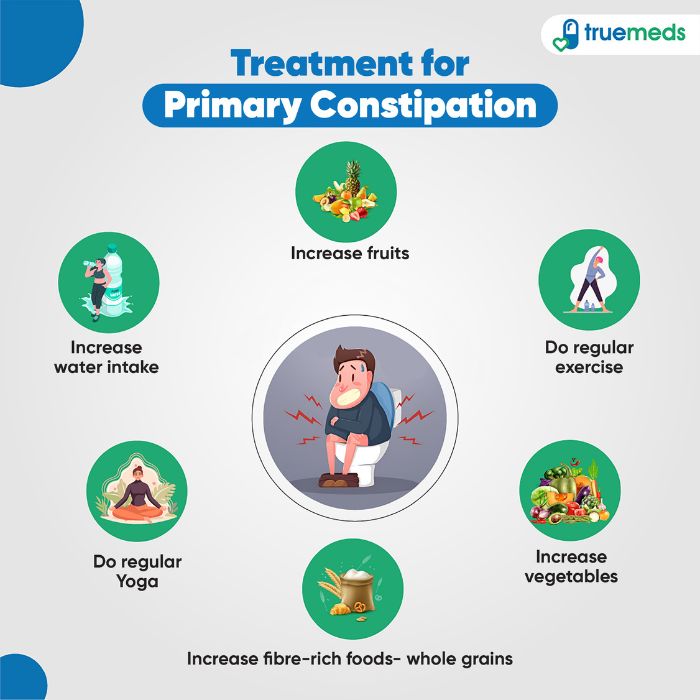
Include plenty of fruits, vegetables, and whole grains in your child’s meals. Foods like apples, pears, berries, broccoli, and whole-grain cereals provide essential fiber that supports digestion. - Ensure Proper Hydration
Encourage your child to drink water throughout the day. Consider giving them a reusable water bottle to take to school or sports activities. Water-rich foods like watermelon, cucumber, and oranges also contribute to hydration. - Establish a Bathroom Routine
Setting a regular bathroom routine can help children feel comfortable with bowel movements. Encourage them to sit on the toilet after meals, when digestion naturally stimulates bowel movements. - Encourage Physical Activity
Physical activity helps stimulate digestion and can prevent constipation. Encourage outdoor play, sports, or family walks to keep your child active and promote regular bowel movements. - Make Bathroom Time Relaxed and Comfortable
For younger children, create a relaxed environment when they need to use the bathroom. Adding a small footstool to support their feet while sitting on the toilet can help them pass stool more easily.
Natural Remedies for Constipation in Children
When constipation occurs, gentle remedies can help relieve discomfort and get things moving again. Here are a few safe, natural remedies for kids:
- Increase Fiber Intake Gradually
Add more fiber-rich foods slowly to avoid bloating. Try including prunes, pears, and berries into their diet, as these fruits contain fiber and natural sugars that have mild laxative effects. - Warm Water with Lemon
A small glass of warm water with a few drops of lemon juice can stimulate digestion. This can be given to children in the morning to kickstart their digestive system. - Offer a Fiber Supplement if Needed
If dietary changes aren’t enough, a fiber supplement like psyllium husk or a child-safe fiber powder may be helpful. Always consult a healthcare provider for the correct dosage. - Try Prune or Pear Juice
Prune juice is well-known for relieving constipation. Dilute it with water and give in small amounts, as too much can cause loose stools. Pear juice is another good option with a milder taste that children may prefer. - Encourage Gentle Movement and Stretches
Simple yoga poses, like child’s pose or squatting, can help stimulate bowel movements. These gentle movements can be turned into a fun game or activity with kids. - Massage the Abdomen
A gentle tummy massage can relieve discomfort and encourage movement in the intestines. Massage in a circular, clockwise motion around the belly button. This can be a calming way to help with constipation relief. - Try Warm Baths
A warm bath can relax the muscles, including those in the digestive tract, making it easier for the child to have a bowel movement. A warm bath can also be comforting and reduce any anxiety related to constipation.
When to See a Doctor
While occasional constipation is usually manageable at home, there are situations where medical advice may be needed:
- Persistent Constipation: If constipation lasts more than two weeks despite natural remedies and diet changes, consult a healthcare provider.
- Severe Pain: If your child is experiencing severe stomach pain or bloating along with constipation, seek medical attention.
- Blood in Stool: If there is blood in your child’s stool or if the child strains often, this may indicate a need for further medical evaluation.
- Other Symptoms: If constipation is accompanied by fever, vomiting, or weight loss, contact a healthcare provider for further assessment.
FAQs About Constipation in Children
1. How much fiber does my child need?
The recommended daily fiber intake for children varies by age. A general guideline is 14 grams of fiber for every 1,000 calories they consume. For younger children (ages 1–3), around 19 grams of fiber per day is recommended, while older children (ages 4–8) may need around 25 grams.
2. Are over-the-counter laxatives safe for children?
Over-the-counter laxatives should not be given to children without medical supervision. Some gentle laxatives are safe for short-term use, but always consult a doctor before giving laxatives to a child.
3. Can constipation be a sign of something more serious?
Yes, in some cases, chronic constipation can indicate an underlying health issue, such as a thyroid problem or a food allergy. If constipation is persistent or accompanied by other symptoms, consult a healthcare provider.
4. Does cow’s milk cause constipation?
For some children, especially those who are lactose intolerant or sensitive to dairy, cow’s milk can contribute to constipation. If you suspect dairy might be an issue, consider alternative sources of calcium and discuss with your pediatrician.
Conclusion
Constipation in children is often preventable and manageable with dietary adjustments, proper hydration, and gentle, natural remedies. Introducing fiber-rich foods, establishing a bathroom routine, and encouraging physical activity can help support a child’s digestive health. In cases where constipation persists or is accompanied by other symptoms, consult a healthcare provider for guidance.
With a supportive approach and a few natural remedies, you can help your child find relief from constipation and build habits that support healthy digestion.
