

-
rs5045100
- Posted on
- Categories:Blog
- 0 comments
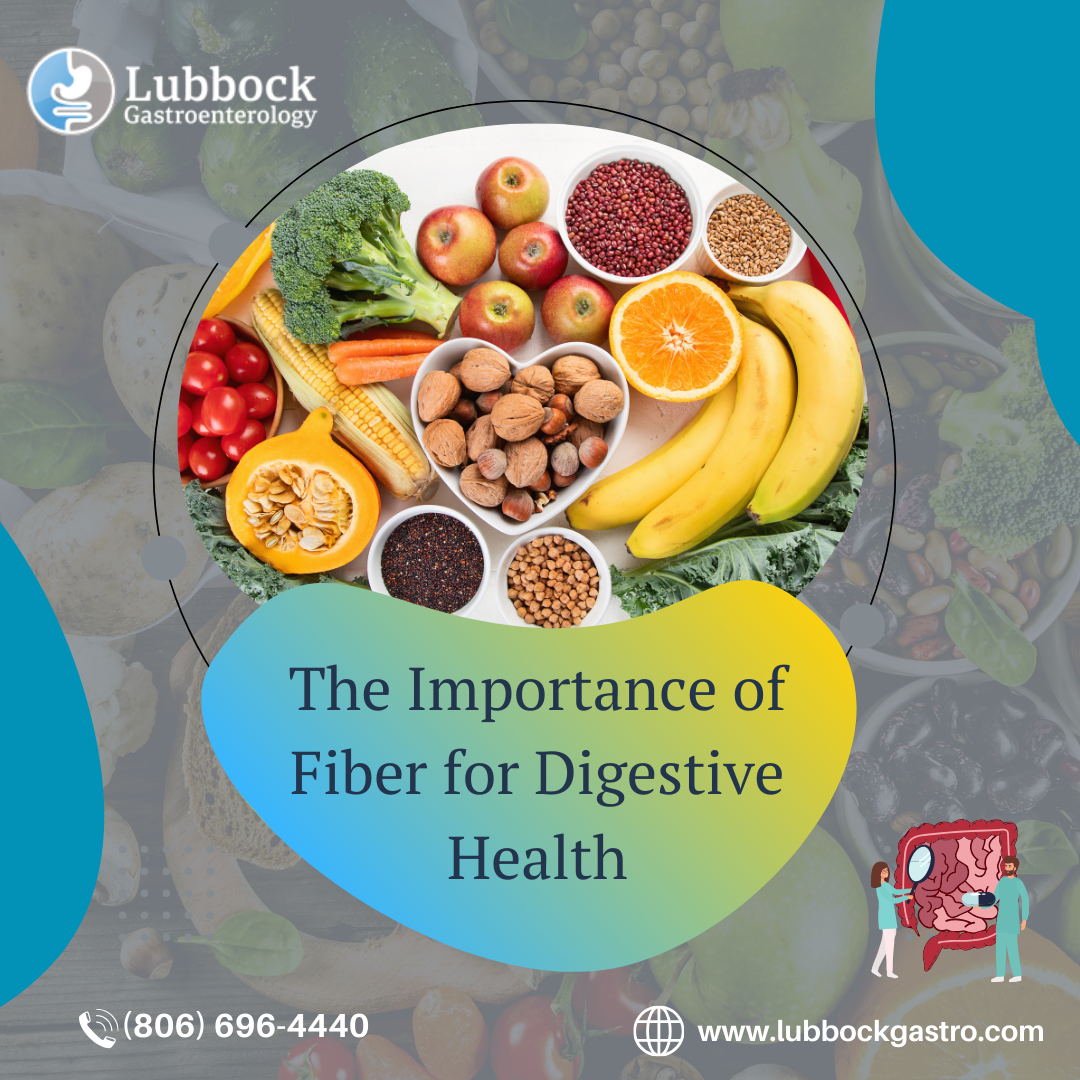
Fiber is an essential component of a healthy diet, especially when it comes to supporting digestion and preventing constipation. Many people know fiber is beneficial, but they may not fully understand how it works or the best sources to incorporate into their meals. This guide explores the role of fiber in digestive health, how it helps with constipation relief, and a list of high-fiber foods to keep your digestive system running smoothly.
What is Fiber?
Fiber is a type of carbohydrate found in plant-based foods that the body can’t fully digest. Instead of being broken down and absorbed, fiber passes through the digestive tract, where it helps add bulk to stools and supports a healthy gut environment. Fiber comes in two main types:
- Soluble Fiber: This type dissolves in water, forming a gel-like substance that slows digestion and helps soften stools. Soluble fiber can also help lower cholesterol levels and stabilize blood sugar. Good sources include oats, apples, carrots, and beans.
- Insoluble Fiber: This type does not dissolve in water and adds bulk to the stool, which helps it move through the digestive tract more efficiently. Insoluble fiber is key for preventing constipation. Whole grains, nuts, seeds, and leafy vegetables are excellent sources of insoluble fiber.
Why Fiber is Essential for Digestive Health
Fiber plays a crucial role in keeping your digestive system functioning well. Here are some of its key benefits:
- Adds Bulk to Stools: Fiber helps bulk up stools, making them easier to pass. This reduces the risk of constipation and promotes regular bowel movements.
- Supports Gut Health: Fiber acts as food for beneficial gut bacteria, which play a major role in digestion, immune support, and nutrient absorption.
- Regulates Blood Sugar Levels: Soluble fiber helps slow down the digestion of carbohydrates, which stabilizes blood sugar levels and prevents sudden spikes.
- Reduces the Risk of Colon Issues: A high-fiber diet has been linked to a lower risk of colorectal issues, as fiber helps cleanse the colon and supports gut health.
- Promotes Satiety: Fiber-rich foods can help you feel fuller longer, which may aid in weight management by reducing the temptation to overeat.
How Fiber Helps Relieve Constipation
Fiber is one of the most effective natural remedies for constipation. It helps to relieve constipation in several ways:
- Softens Stools: Soluble fiber absorbs water, which softens stools and makes them easier to pass.
- Adds Volume: Insoluble fiber adds bulk to stools, which stimulates the muscles in the intestines to move stool along.
- Promotes Regularity: High-fiber foods help establish consistent bowel movements, preventing constipation from becoming a recurring issue.
- Improves Gut Health: Fiber feeds beneficial gut bacteria, which produce short-chain fatty acids that support intestinal health and regularity.
How Much Fiber Do You Need?
The recommended daily fiber intake varies by age and gender:
- Men under 50: 38 grams per day
- Women under 50: 25 grams per day
- Men over 50: 30 grams per day
- Women over 50: 21 grams per day
It’s best to increase fiber intake gradually, as a sudden increase can cause bloating, gas, and discomfort. Be sure to drink plenty of water, as fiber needs water to work effectively and prevent any digestive discomfort.
Top High-Fiber Foods for Constipation Relief
Here’s a list of high-fiber foods that are beneficial for digestive health and constipation relief:
- Oats
A great source of soluble fiber, oats can help soften stools and regulate digestion. They’re perfect for breakfast in the form of oatmeal or added to smoothies. - Beans and Lentils
Black beans, kidney beans, chickpeas, and lentils are fiber powerhouses. Just one cup of cooked beans can provide over 15 grams of fiber. They’re also high in protein and make excellent additions to soups, salads, and casseroles. - Whole Grains
Whole grains like brown rice, quinoa, barley, and whole wheat contain insoluble fiber, which helps add bulk to stools. Swapping refined grains for whole grains in bread, pasta, and rice can make a big difference in digestive health. - Berries
Berries like raspberries, blackberries, and strawberries are low in calories and high in fiber. A cup of raspberries, for instance, contains about 8 grams of fiber. Enjoy them as a snack, in yogurt, or in smoothies. - Broccoli
This cruciferous vegetable is a good source of both soluble and insoluble fiber, supporting digestion and overall health. Steamed, roasted, or raw, broccoli adds fiber and nutrients to any meal. - Chia Seeds and Flaxseeds
Both chia seeds and flaxseeds are high in soluble fiber and can help soften stools. Chia seeds also absorb water, forming a gel-like substance that aids digestion. Add them to smoothies, oatmeal, or yogurt for a fiber boost. - Apples and Pears
These fruits are high in soluble fiber, especially in their skins, so try to eat them whole rather than peeled. Apples and pears are also high in water, which complements their fiber content for digestive support. - Carrots
Carrots are rich in both soluble and insoluble fiber. They’re easy to add to salads, soups, or snacks, and their fiber content helps keep digestion on track. - Leafy Greens
Vegetables like spinach, kale, and Swiss chard are high in fiber and rich in essential vitamins and minerals. Leafy greens help add bulk to the stool and can be easily incorporated into salads, smoothies, or soups. - Sweet Potatoes
Sweet potatoes are a fiber-rich alternative to regular potatoes, especially when eaten with the skin. They’re also high in vitamins A and C, adding extra nutritional benefits.
Tips for Incorporating More Fiber into Your Diet
- Start Your Day with Fiber: Try oatmeal with fruit, chia pudding, or a smoothie with greens to start your day with a fiber boost.
- Snack on High-Fiber Foods: Choose fiber-rich snacks like carrots, apples, nuts, and seeds over processed snacks.
- Add Vegetables to Every Meal: Aim to fill half your plate with vegetables to boost your fiber intake effortlessly.
- Switch to Whole Grains: Opt for whole-grain bread, pasta, rice, and cereals to add fiber with minimal effort.
- Include Legumes Weekly: Add beans and lentils to your meals several times a week. They’re affordable, versatile, and packed with fiber.
FAQs on Fiber and Constipation Relief
1. Can too much fiber cause digestive issues?
Yes, a sudden increase in fiber can cause gas, bloating, and cramping. It’s best to increase fiber gradually and drink plenty of water to avoid discomfort.
2. How long does it take for fiber to relieve constipation?
You may notice improvements within a few days of increasing fiber intake. Consistent daily intake is key to long-term digestive health.
3. What’s better for constipation: soluble or insoluble fiber?
Both types are helpful, but insoluble fiber is particularly effective at adding bulk to stools and preventing constipation.
4. Can I take fiber supplements instead of eating fiber-rich foods?
Fiber supplements can help, but whole foods offer additional nutrients and benefits that supplements lack. Try to get most of your fiber from natural sources and use supplements as a backup.
Conclusion
Adding more fiber to your diet is one of the most effective and natural ways to support digestive health and relieve constipation. By including a variety of high-fiber foods like whole grains, fruits, vegetables, and legumes, you’ll not only improve your digestion but also benefit your overall health. Remember to pair fiber with plenty of water and introduce it gradually to give your body time to adjust. With these changes, you’ll be on your way to a healthier, more comfortable digestive system.
