

-
rs5045100
- Posted on
- Categories:Blog
- 0 comments
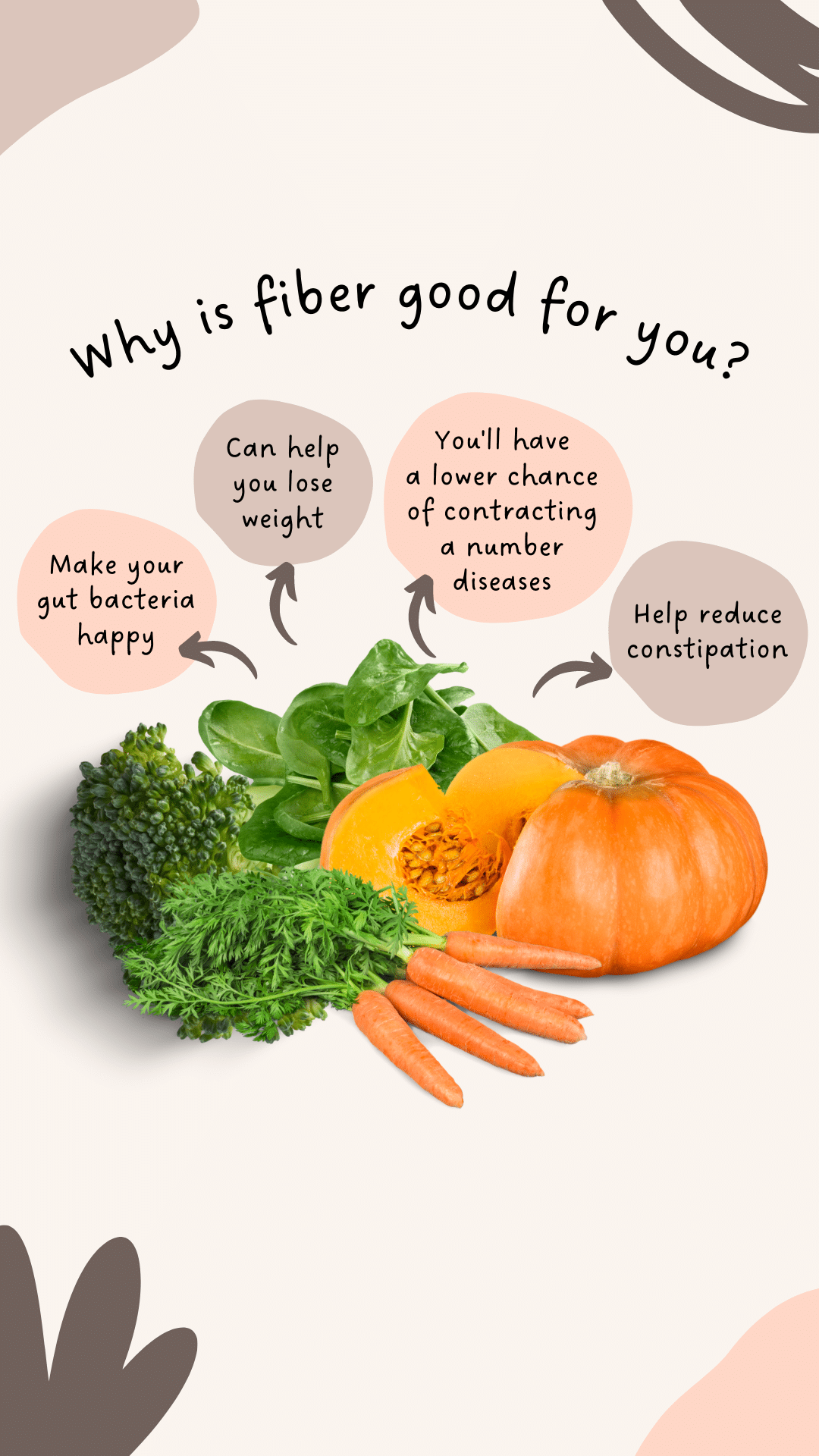
Constipation can be uncomfortable and frustrating, but what you eat can play a significant role in promoting regular bowel movements. By incorporating specific foods rich in fiber and natural laxatives, you can help keep things moving smoothly through your digestive system. Here’s a list of effective, natural foods to relieve constipation and support digestive health.
1. Fiber-Rich Fruits
Fruits are one of the best natural sources of fiber, and many are especially beneficial for relieving constipation.
- Apples: Rich in soluble and insoluble fiber, apples add bulk to stool and help soften it. For the best effect, eat them with the skin on.
- Pears: High in fiber and water content, pears also contain sorbitol, a natural laxative that helps soften stools.
- Berries: Raspberries, blackberries, and strawberries are loaded with fiber while being low in calories, making them an ideal snack.
- Prunes: Known as nature’s laxative, prunes are high in fiber and contain sorbitol, which draws water into the colon, making stools easier to pass.
- Kiwis: Studies show that kiwi fruit can promote digestive health by increasing bowel movements, thanks to its high fiber and water content.
2. Leafy Green Vegetables
Leafy greens not only provide essential vitamins and minerals, but they are also high in fiber and water, which help to move stool through the digestive tract.
- Spinach: Contains both soluble and insoluble fiber, which helps soften stools and adds bulk.
- Kale: Rich in fiber, kale also contains magnesium, which helps draw water into the intestines, softening stools.
- Collard Greens: A good source of insoluble fiber, collard greens can help speed up digestion.
3. Whole Grains
Whole grains retain the bran and germ, which are packed with fiber and essential nutrients that help prevent constipation.
- Oats: Oats contain both soluble and insoluble fiber, which can ease constipation. A bowl of oatmeal in the morning is a great way to start the day.
- Quinoa: High in both fiber and protein, quinoa aids in regular bowel movements and provides a satisfying addition to any meal.
- Brown Rice: Brown rice is a fiber-rich whole grain that can replace white rice for better digestive health.
4. Nuts and Seeds
Nuts and seeds are fiber-dense and provide healthy fats, both of which contribute to a smooth digestive process.
- Chia Seeds: High in soluble fiber, chia seeds form a gel-like consistency when mixed with liquid, helping to soften stool.
- Flaxseeds: Flaxseeds contain both soluble and insoluble fiber, making them effective for relieving constipation. Ground flaxseeds work best as they are easier to digest.
- Almonds and Walnuts: These nuts add fiber to your diet and healthy fats that can support digestion.
5. Legumes
Legumes are packed with fiber, protein, and essential nutrients. Their high fiber content helps add bulk to the stool, making bowel movements easier.
- Lentils: Lentils are an excellent source of fiber, with both soluble and insoluble fiber types that aid digestion.
- Chickpeas: Also high in fiber, chickpeas can help prevent constipation when added to salads, soups, or curries.
- Beans (Black Beans, Kidney Beans, etc.): Beans are a high-fiber food that support a healthy gut and help prevent constipation.
6. Probiotic-Rich Foods
Probiotics are beneficial bacteria that improve gut health and may help relieve constipation by balancing the gut microbiome.
- Yogurt: Yogurt with live cultures provides beneficial bacteria that support digestion and can reduce constipation.
- Kefir: A fermented milk drink, kefir is rich in probiotics and can help to stimulate bowel movements.
- Sauerkraut and Kimchi: These fermented foods are excellent sources of natural probiotics and fiber, which both aid in digestion.
7. Water-Rich Foods
Staying hydrated is crucial for preventing constipation, and foods high in water content can contribute to hydration.
- Cucumber: Cucumbers have high water content and are hydrating, making them beneficial for constipation relief.
- Celery: High in water and fiber, celery can help soften stools and keep digestion moving.
- Watermelon: Watermelon is over 90% water, which helps hydrate the body and support regular bowel movements.
8. Healthy Fats
Healthy fats add lubrication to the intestines, which can ease the passage of stool.
- Olive Oil: Olive oil stimulates the digestive system and acts as a natural laxative. A tablespoon of extra virgin olive oil on an empty stomach can help with constipation.
- Avocado: Avocados are rich in both fiber and healthy fats, which promote smooth digestion.
- Coconut Oil: Adding a small amount of coconut oil to your diet can help soften stools and relieve constipation.
9. Herbs and Natural Laxatives
Certain herbs and natural laxatives can gently stimulate digestion and encourage regular bowel movements.
- Ginger: Ginger is warming and helps stimulate the digestive tract. Drinking ginger tea or adding fresh ginger to meals can aid digestion.
- Aloe Vera: Aloe vera contains compounds that act as a natural laxative. Use aloe vera juice in moderation, as it can be quite strong.
- Fennel Seeds: Fennel seeds contain fiber and have a mild laxative effect. Chewing fennel seeds or drinking fennel tea can ease constipation.
Tips for Adding These Foods to Your Diet
Incorporating these foods for constipation relief doesn’t have to be challenging. Here are a few tips:
- Start Slowly: If you’re not used to a high-fiber diet, increase your intake gradually to avoid bloating and discomfort.
- Stay Hydrated: Drinking plenty of water is essential for fiber to work effectively in the digestive tract.
- Mix and Match: Combine fiber-rich foods with water-rich foods and healthy fats to support digestion and relieve constipation.
- Be Consistent: Eating a balanced diet with a variety of these foods will promote regularity over time.
Conclusion
Relieving constipation naturally is possible with the right foods. Incorporate fiber-rich fruits, leafy greens, whole grains, nuts, seeds, and probiotic-rich foods to keep your digestive system running smoothly. Staying hydrated and consuming healthy fats and herbal teas can also help prevent constipation and support your digestive health.
If you experience chronic constipation or notice that diet changes alone aren’t enough, it may be beneficial to consult a healthcare provider for further guidance.
