

-
rs5045100
- Posted on
- Categories:Blog
- 0 comments
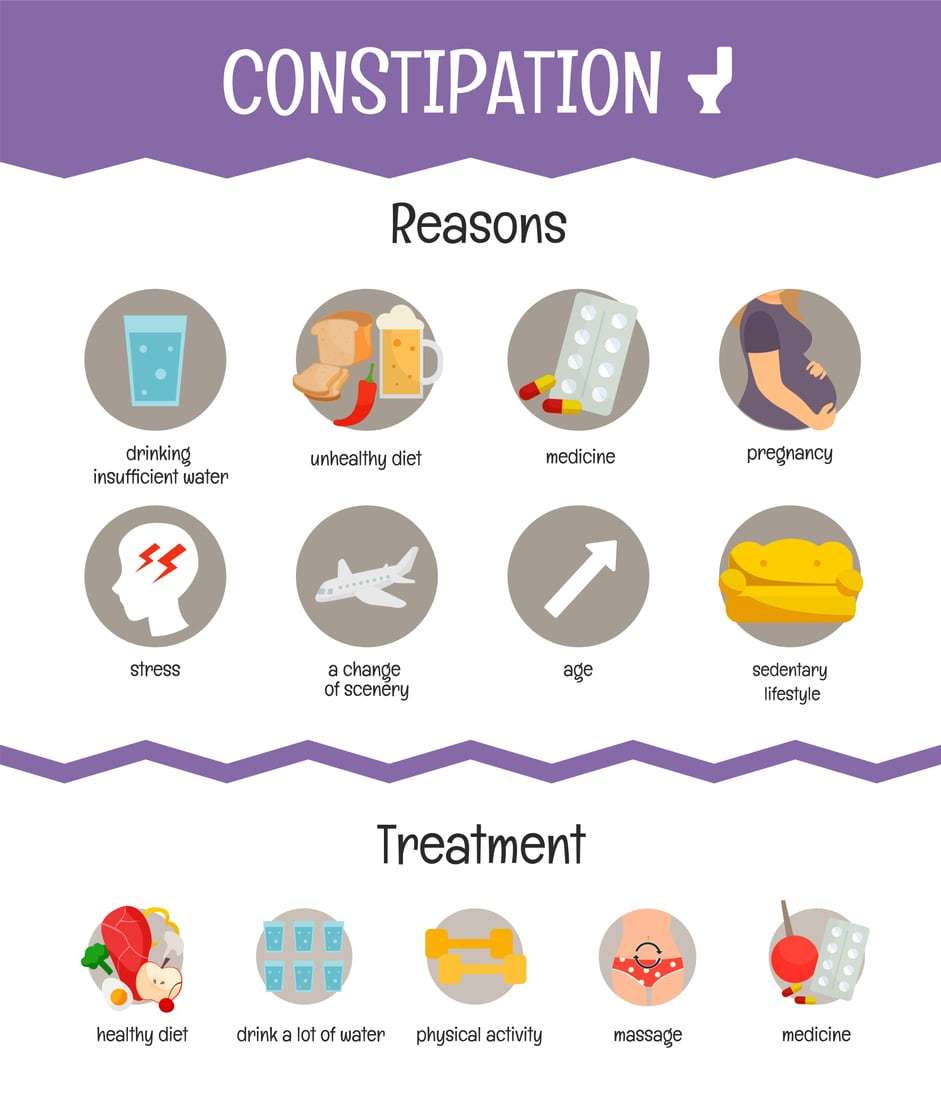
Constipation is a common digestive problem affecting millions of people worldwide. It can disrupt your day, lead to discomfort, and if chronic, may impact your overall well-being. Here, we’ll cover what causes constipation, its common symptoms, and natural remedies that can help relieve it effectively.
What is Constipation?
Constipation is characterized by infrequent or difficult bowel movements, often with hard, dry stools. While everyone’s digestive system varies, less than three bowel movements per week generally indicates constipation. Constipation can be acute (short-term) or chronic (long-term) and is typically influenced by diet, lifestyle, and sometimes underlying health issues.
Common Causes of Constipation
Understanding what causes constipation is key to preventing and managing it. Some common causes include:
- Low Fiber Diet
Diets low in fiber are a primary cause of constipation. Fiber adds bulk to the stool, helping it move through the digestive tract. A diet rich in refined carbohydrates, red meat, and dairy but low in fruits, vegetables, and whole grains can slow down digestion. - Dehydration
When the body is dehydrated, the intestines absorb more water from the waste, resulting in hard, dry stools. Staying well-hydrated is crucial to keeping stools soft and easy to pass. - Sedentary Lifestyle
Physical activity stimulates digestion, helping to move waste through the intestines. Lack of movement or a sedentary lifestyle can lead to sluggish digestion and constipation. - Ignoring the Urge
Ignoring the natural urge to have a bowel movement can disrupt your digestive rhythm. Over time, the body may stop sending signals, leading to constipation. - Medication Side Effects
Some medications, like pain relievers, antidepressants, and iron supplements, can slow down digestion, leading to constipation as a side effect. - Hormonal Changes
Hormonal fluctuations, especially in women, can influence digestive health. Pregnancy, menstruation, and menopause are common times when constipation can occur due to hormonal shifts. - Stress and Anxiety
The gut-brain connection means that stress and anxiety can directly affect digestion. High stress can slow bowel movements, contributing to constipation. - Underlying Medical Conditions
Conditions like irritable bowel syndrome (IBS), diabetes, and thyroid disorders can increase the risk of chronic constipation.
Symptoms of Constipation
Constipation is not just about fewer bowel movements. Here are some symptoms to watch for:
- Infrequent Bowel Movements: Less than three per week is typically considered constipation.
- Hard, Dry Stools: Stools that are hard and difficult to pass.
- Straining: Feeling the need to strain or apply pressure to have a bowel movement.
- Abdominal Discomfort: Bloating, cramps, or pain in the abdomen.
- Feeling of Incomplete Evacuation: Feeling as though you haven’t fully emptied your bowels.
Natural Remedies for Constipation
Many people turn to natural remedies to ease constipation and support healthy digestion. Here are some effective options:
- Increase Fiber Intake
Fiber-rich foods are crucial for a healthy digestive system. Soluble fiber absorbs water and forms a gel-like consistency, while insoluble fiber adds bulk to the stool. Foods like beans, lentils, oats, whole grains, fruits (especially apples, pears, and berries), and vegetables (like broccoli and carrots) are excellent sources of fiber. - Stay Hydrated
Drinking enough water helps soften stool and promotes smooth bowel movements. Aim for at least 8 cups (2 liters) of water daily. Herbal teas like ginger or peppermint tea can also aid digestion. - Regular Exercise
Physical activity can stimulate intestinal activity. Aim for at least 30 minutes of moderate exercise daily, such as walking, jogging, or yoga. Certain yoga poses, like “Wind-Relieving Pose” and “Child’s Pose,” are known to relieve digestive discomfort. - Probiotic-Rich Foods
Probiotics support gut health by promoting the growth of beneficial bacteria, which can improve digestion and bowel movement frequency. Try incorporating yogurt, kefir, sauerkraut, and kimchi into your diet. - Healthy Fats
Healthy fats from sources like avocados, olive oil, nuts, and seeds help lubricate the intestines and facilitate smoother digestion. - Establish a Bathroom Routine
Train your body by setting aside time for bowel movements, ideally after a meal when the digestive system is more active. Try to go at the same time each day, as a regular routine can help stimulate a bowel movement. - Herbal Remedies
Certain herbs like senna and aloe vera have mild laxative properties. However, these should be used sparingly and only under the guidance of a healthcare provider to avoid dependency. - Mindfulness and Stress Reduction
Managing stress through mindfulness, meditation, or breathing exercises can significantly impact digestive health. High stress often leads to digestive issues, including constipation.
When to Seek Help
While occasional constipation is common, consult a healthcare professional if:
- You experience constipation regularly (chronic constipation).
- You notice blood in your stool.
- There’s unexplained weight loss.
- You experience severe abdominal pain.
Chronic constipation could be a sign of underlying health issues that require medical attention.
Conclusion
Constipation can be uncomfortable, but with lifestyle adjustments, a balanced diet, and natural remedies, it can often be managed effectively. By understanding the causes and symptoms of constipation, you’re better equipped to address it and maintain a healthy digestive system. Remember to stay hydrated, consume enough fiber, and move your body regularly for long-term digestive health.
If constipation persists despite these efforts, it may be wise to consult a healthcare professional to ensure there are no underlying health concerns.
