

-
rs5045100
- Posted on
- Categories:Blog
- 0 comments
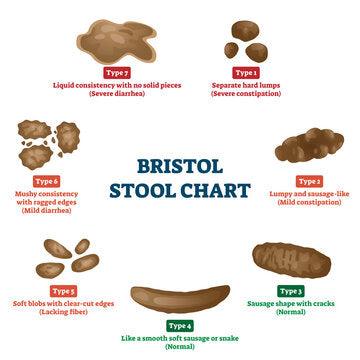
Constipation is a common digestive issue that affects many people worldwide. While diet, lifestyle, and hydration play key roles in maintaining regular bowel movements, the health of your gut microbiome is another essential factor. Probiotics, the beneficial bacteria found in fermented foods and supplements, are increasingly recognized for their ability to support gut health and relieve constipation. In this blog, we’ll explore how probiotics can help alleviate constipation, which strains are most effective, and how to incorporate them into your routine for better digestive health.
What Are Probiotics?
Probiotics are live microorganisms, often referred to as “good bacteria,” that provide a wide range of health benefits when consumed in adequate amounts. They are essential for maintaining a balanced gut microbiome — the collection of trillions of bacteria and other microorganisms that reside in your digestive tract. A healthy gut microbiome supports digestion, boosts immunity, and can even influence mood and mental health.
In the context of constipation, probiotics help regulate bowel movements, improve stool consistency, and enhance overall digestive function by restoring balance to the gut. They do this by improving the intestinal flora, breaking down food more efficiently, and promoting regular bowel movements.
How Probiotics Help Relieve Constipation
- Improving Gut Motility: Probiotics help improve gut motility, which is the movement of food and waste through the digestive tract. They support the smooth functioning of the intestines, helping to stimulate regular bowel movements and prevent the sluggish digestion that often leads to constipation.
- Restoring Balance in Gut Flora: An imbalance in gut bacteria, with more harmful bacteria and fewer beneficial ones, can slow down digestion and contribute to constipation. Probiotics replenish the beneficial bacteria in your gut, restoring a healthy balance and improving the efficiency of digestion.
- Fermentation of Fiber: Some probiotics can ferment fiber in the gut, producing short-chain fatty acids (SCFAs) like butyrate. SCFAs nourish the cells lining the intestines, promote healthy gut function, and enhance the absorption of water, helping to soften stools and relieve constipation.
- Increasing Stool Frequency and Consistency: Studies have shown that certain strains of probiotics can increase the frequency of bowel movements and improve the consistency of stools. This can help individuals who suffer from chronic or occasional constipation.
- Reducing Inflammation in the Gut: Chronic constipation can sometimes be associated with inflammation in the gut, which can impair digestive function. Probiotics can help reduce this inflammation, supporting the healing of the digestive tract and promoting regularity.
- Supporting a Healthy Gut-Brain Connection: The gut and brain are closely connected through the gut-brain axis. Probiotics may influence this connection, helping to reduce stress and anxiety, both of which are known contributors to constipation.
Best Probiotic Strains for Constipation
Not all probiotics are created equal, and some strains are more effective than others when it comes to relieving constipation. Here are some of the best probiotic strains that have been shown to be beneficial for digestive health and constipation relief:
1. Bifidobacterium lactis
Bifidobacterium lactis is a well-researched strain that has been shown to improve bowel regularity, stool consistency, and gut motility. It helps stimulate the movement of the intestines, making it easier for stools to pass. Studies have found that it can significantly reduce the symptoms of constipation, especially in those with chronic issues.
2. Lactobacillus acidophilus
Lactobacillus acidophilus is one of the most widely studied and used probiotic strains. It supports the gut by producing lactic acid, which helps maintain an acidic environment that supports digestion. This strain has been found to enhance gut motility and relieve constipation, particularly in people with irritable bowel syndrome (IBS).
3. Bifidobacterium breve
Bifidobacterium breve is another strain of Bifidobacterium that has shown promising results in promoting regular bowel movements. It helps improve the digestion of fiber and supports the growth of other beneficial bacteria in the gut, reducing the symptoms of constipation.
4. Lactobacillus plantarum
Lactobacillus plantarum is known for its ability to produce lactic acid, which helps to maintain a healthy gut environment. This strain has been shown to improve digestion, reduce bloating, and promote regular bowel movements by enhancing gut motility and reducing inflammation in the intestines.
5. Enterococcus faecium
Enterococcus faecium is another beneficial probiotic that can support healthy digestion and bowel function. It helps balance the gut microbiome and promotes regular bowel movements, making it an effective strain for people dealing with constipation.
6. Saccharomyces boulardii
Saccharomyces boulardii is a type of yeast rather than bacteria, but it is still considered a probiotic and has been shown to improve gut health. It can help prevent constipation by supporting the overall function of the digestive system, enhancing gut motility, and balancing the microbiome.
How to Incorporate Probiotics into Your Routine
There are several ways to add probiotics to your diet and support digestive health:
1. Probiotic-Rich Foods
Incorporating probiotic-rich foods into your diet is a natural and delicious way to support your gut health. Some excellent food sources of probiotics include:
- Yogurt (preferably unsweetened and containing live cultures)
- Kefir (a fermented milk drink)
- Sauerkraut (fermented cabbage)
- Kimchi (fermented vegetables)
- Miso (fermented soybeans)
- Kombucha (fermented tea)
- Pickled vegetables (naturally fermented without vinegar)
These foods not only provide probiotics but also offer a range of other health benefits, including improved immunity and better nutrient absorption.
2. Probiotic Supplements
If you’re not able to get enough probiotics from food, probiotic supplements can be a convenient option. These come in many forms, including capsules, tablets, powders, and liquids. When choosing a probiotic supplement, look for one with a variety of strains and a high CFU (colony-forming unit) count. Additionally, make sure the product is stored in a way that preserves its potency, such as in a refrigerated or air-tight container.
3. Prebiotic Foods
Prebiotics are non-digestible fibers that act as food for probiotics. Eating a diet rich in prebiotic foods can help your probiotics thrive. Some excellent prebiotic-rich foods include:
- Garlic
- Onions
- Bananas
- Asparagus
- Chicory root
- Leeks
- Apples
Probiotics and Constipation: A Balanced Approach
While probiotics can be an effective solution for relieving constipation, they should be combined with other healthy lifestyle practices, such as:
- A fiber-rich diet: Including plenty of fruits, vegetables, whole grains, and legumes.
- Adequate hydration: Drinking plenty of water throughout the day to soften stools.
- Regular exercise: Physical activity helps stimulate bowel movement and reduces constipation.
- Stress management: Since stress can disrupt digestion, practicing relaxation techniques like yoga, meditation, or deep breathing can help.
When to Seek Medical Advice
While probiotics can be beneficial for many people, they are not a one-size-fits-all solution. If you have chronic constipation that doesn’t respond to probiotics or other lifestyle changes, it’s important to consult a healthcare provider. They can help identify any underlying conditions, such as IBS, hypothyroidism, or other gastrointestinal disorders, that may be contributing to your constipation.
Conclusion
Probiotics play a significant role in supporting gut health and alleviating constipation. By restoring balance to the gut microbiome, improving digestion, and promoting regular bowel movements, probiotics can be a helpful tool in managing constipation. If you’re struggling with digestive issues, consider incorporating probiotic-rich foods or supplements into your daily routine. With a balanced diet, proper hydration, and regular exercise, probiotics can help improve your overall digestive health and provide lasting relief from constipation.
