

-
rs5045100
- Posted on
- Categories:Blog
- 0 comments
Constipation can disrupt daily life, causing discomfort, bloating, and irritability. Thankfully, adopting a few key lifestyle habits can play a significant role in preventing it. A well-rounded approach, including regular exercise, a balanced diet, and daily routines that support digestion, can help keep your digestive system running smoothly. Here’s a look at the best lifestyle tips to avoid constipation and promote better digestion.
1. Eat a Fiber-Rich Diet
Fiber is essential for digestive health, as it adds bulk to stools and makes them easier to pass. There are two main types of fiber:
- Soluble Fiber: Absorbs water and forms a gel-like substance in the digestive tract, which helps to slow digestion and softens stools. Examples include oats, apples, oranges, and carrots.
- Insoluble Fiber: Adds bulk to the stool and helps it pass more quickly through the digestive system. Good sources include whole grains, nuts, seeds, and vegetables like leafy greens and cauliflower.
For adults, a daily intake of around 25-30 grams of fiber is recommended. Increase fiber intake gradually to avoid bloating or gas, and ensure you’re drinking plenty of water to help fiber do its job effectively.
2. Stay Hydrated
Water is vital to prevent constipation, as it helps keep stools soft and easy to pass. Dehydration can lead to dry, hard stools that are difficult to move through the intestines. Aim for 8 cups of water a day, but adjust based on your activity level, climate, and individual needs.
Adding water-rich foods like cucumbers, oranges, and melons to your diet can further support hydration and digestion.
3. Exercise Regularly
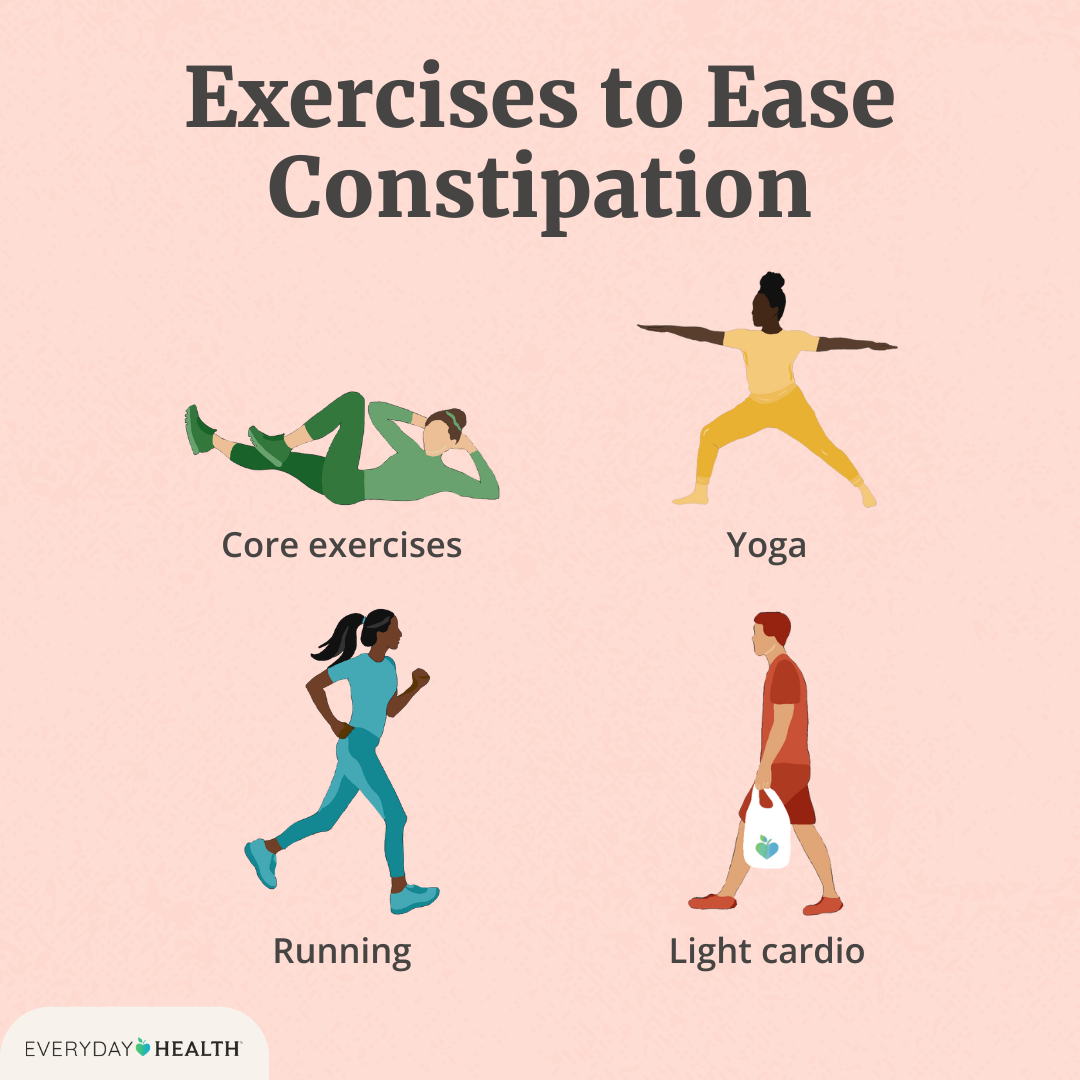
Exercise is beneficial for digestive health because it stimulates muscle contractions in the intestines, helping to move food through the digestive tract more efficiently. Regular physical activity can prevent constipation and support overall digestive function.
Try to incorporate at least 30 minutes of moderate exercise most days of the week. Activities like walking, jogging, cycling, and even yoga can all be helpful for promoting regularity.
4. Establish a Routine for Meals and Bathroom Breaks
Setting a regular routine for meals and bathroom visits helps regulate your body’s natural rhythms, promoting consistent bowel movements. Here are some routine-based tips to consider:
- Eat Meals at the Same Time Each Day: Eating at consistent times encourages a regular digestive schedule, helping your body recognize when to expect food and when to digest it.
- Allow Time for Bathroom Breaks: Try to schedule time in the morning or after meals to use the bathroom. Rushing can lead to “holding it in,” which can cause stool to harden in the intestines.
5. Don’t Ignore the Urge to Go
Holding in bowel movements can lead to constipation over time, as it allows the stool to harden and become more difficult to pass. Encourage yourself or your family members to respond to the urge to go as soon as possible.
6. Limit Processed Foods and Sugary Snacks
Processed foods, such as fast food, white bread, chips, and sugary snacks, are often low in fiber and high in unhealthy fats and sugars, which can slow down digestion. These foods can contribute to constipation and should be consumed sparingly. Instead, opt for whole, unprocessed foods that support digestive health.
7. Add Probiotic-Rich Foods to Your Diet
Probiotics are beneficial bacteria that can help balance your gut microbiome, supporting digestion and regular bowel movements. Foods rich in probiotics include:
- Yogurt with live cultures
- Kefir
- Sauerkraut
- Kimchi
- Kombucha
- Miso
These foods introduce beneficial bacteria that can help maintain a healthy gut environment, promoting easier digestion and regularity.
8. Practice Stress Management Techniques
Stress can negatively impact digestion, as it triggers the release of stress hormones that can slow down digestive processes and lead to constipation. Incorporating stress management techniques into your daily routine can help support a healthy digestive system.
Consider trying activities like:
- Deep Breathing Exercises: Taking deep breaths can relax the digestive muscles and ease tension.
- Meditation: Regular meditation reduces stress and promotes overall well-being, benefiting digestion.
- Yoga: Yoga poses such as forward bends, twists, and gentle stretches stimulate digestion and relieve tension in the abdominal area.
9. Limit Caffeine and Alcohol
Both caffeine and alcohol can lead to dehydration if consumed in excess, which can make constipation worse. Moderate consumption is usually fine, but be mindful of your intake and drink plenty of water if you do consume these beverages.
If caffeine seems to irritate your digestive system, consider reducing your intake or opting for herbal teas, which can have a calming effect on the digestive tract.
10. Try Gentle Abdominal Massage
An abdominal massage can stimulate bowel movements and relieve discomfort from constipation. Here’s a simple technique to try:
- Lie on your back and place your hands on your stomach.
- Using gentle pressure, move your hands in circular, clockwise motions.
- Continue for 5-10 minutes, focusing on relaxation.
This massage technique can be especially helpful in the mornings or before bed to help promote regularity.
FAQs on Avoiding Constipation Through Lifestyle Choices
1. How quickly can lifestyle changes relieve constipation?
In many cases, changes to diet, hydration, and exercise can relieve constipation within a few days. Consistent habits will yield the best results over time.
2. Do I need to exercise every day to prevent constipation?
Daily movement is ideal, but even a few days of moderate exercise each week can benefit digestion. Aim for 3-5 days a week if possible.
3. Are there any specific foods that worsen constipation?
Yes, processed foods, excessive dairy, and foods high in unhealthy fats can worsen constipation. Limiting these and focusing on fiber-rich, whole foods can help keep your digestion regular.
4. Can lifestyle changes replace laxatives?
For most people, lifestyle changes can effectively prevent constipation without the need for laxatives. However, in cases of persistent constipation, occasional laxatives may be used, but consult a healthcare provider for guidance.
5. How long should I try these lifestyle changes before seeing a doctor?
If you continue to experience constipation for more than two weeks despite making lifestyle adjustments, it’s wise to consult a healthcare provider to rule out underlying conditions.
Conclusion
Preventing constipation is often achievable through simple, consistent lifestyle habits. A fiber-rich diet, regular exercise, hydration, and stress management can all support a healthy digestive system and reduce the likelihood of constipation. Making these habits part of your routine not only promotes better digestion but also contributes to overall well-being.
If constipation persists despite making these changes, it’s always best to consult a healthcare provider for further guidance.
