-
rs5045100
- Posted on
- Categories:Blog
- 0 comments
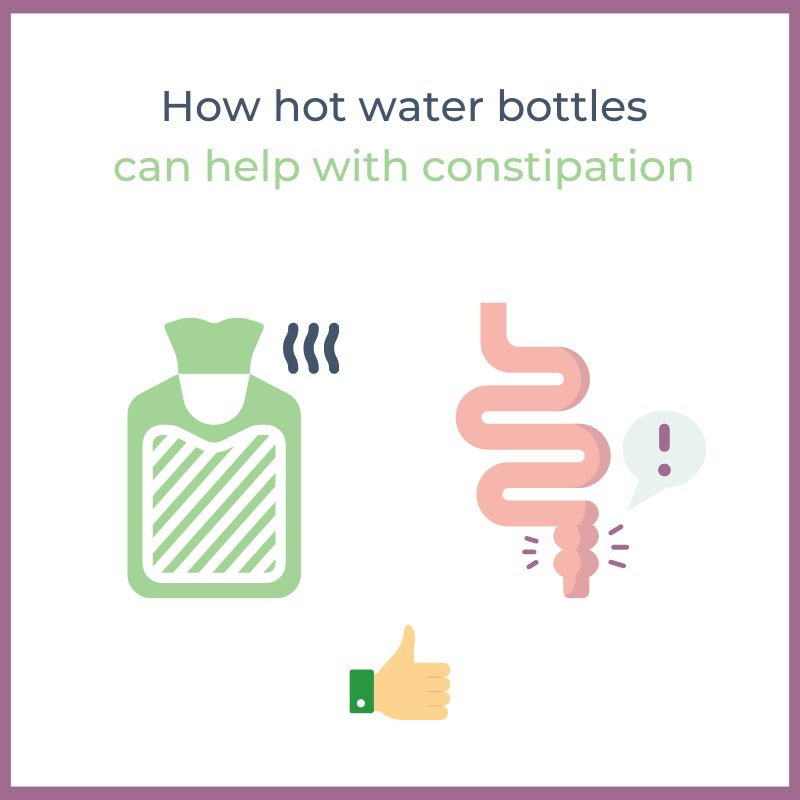
Constipation is a common digestive issue that many people face, often causing discomfort and frustration. While dietary fiber is often highlighted as key to easing constipation, one equally important yet sometimes overlooked factor is water. Staying hydrated is crucial for preventing and relieving constipation naturally, as it helps to keep the digestive system functioning smoothly. Here, we’ll explore the role of water in digestive health, why hydration matters, and tips for incorporating more water into your routine.
How Water Affects Digestion and Constipation
Water plays an essential role in every part of digestion, from breaking down food to moving waste through the intestines. Here’s how it works in terms of preventing constipation:
- Softens Stool
When you’re well-hydrated, water helps to soften stools, making them easier to pass. Without enough water, stools can become hard and dry, leading to strain and discomfort. - Supports Fiber in the Digestive System
Dietary fiber absorbs water, which helps add bulk to stools and speeds up their passage through the digestive tract. Without sufficient water, fiber can’t do its job properly and may even worsen constipation. - Stimulates Peristalsis
Water is essential for the muscle contractions (known as peristalsis) that move food and waste through the intestines. Dehydration can slow peristalsis, causing stool to remain in the colon for a longer time. - Reduces Transit Time
Water helps move waste through the intestines more quickly, reducing transit time. The longer stool sits in the colon, the more water is absorbed back into the body, making the stool harder and more difficult to pass.
Signs of Dehydration and Its Link to Constipation
Dehydration is a common cause of constipation, but it’s not always easy to tell if you’re dehydrated. Here are a few signs that you may need to increase your water intake:
- Dark Yellow Urine: Pale yellow or clear urine is a sign of adequate hydration, while dark yellow or amber can indicate dehydration.
- Dry Skin and Mouth: A parched mouth or dry skin can be symptoms of low water intake.
- Fatigue: When dehydrated, your body has to work harder to perform essential functions, leading to fatigue.
- Infrequent Urination: If you’re going long periods without needing to urinate, it could mean you’re not drinking enough water.
If you experience constipation along with these symptoms, increasing your water intake may help relieve your symptoms.
How Much Water Should You Drink to Relieve Constipation?
The general recommendation for adults is to drink about 8 cups (64 ounces) of water per day. However, individual needs can vary depending on factors like age, physical activity, climate, and diet. Here are some guidelines to help you stay hydrated for optimal digestive health:
- Listen to Your Body: Aim for light yellow or clear urine as a guide for adequate hydration.
- Consider Your Fiber Intake: If you consume a high-fiber diet, you may need additional water to support the increased fiber.
- Adjust for Activity Levels and Climate: Hot weather, exercise, and sweating increase your body’s need for water.
Tips to Stay Hydrated and Relieve Constipation Naturally
Getting enough water can feel challenging, but these tips can help make hydration a habit and keep constipation at bay.
- Start Your Day with Water
Begin each morning with a glass of warm water to stimulate digestion. Adding a slice of lemon can provide a refreshing flavor and support liver function. - Carry a Water Bottle
Having a water bottle on hand makes it easier to sip throughout the day. Choose a bottle you enjoy using and keep it with you as a reminder. - Set Reminders
Setting reminders on your phone or using hydration apps can be helpful in ensuring you drink water regularly throughout the day. - Eat Water-Rich Foods
Certain fruits and vegetables are high in water content and contribute to your overall hydration. Foods like cucumbers, watermelon, oranges, and strawberries can boost your fluid intake while providing fiber and essential nutrients. - Drink Herbal Teas
Herbal teas are a great alternative to water and can offer additional digestive benefits. Chamomile, ginger, and peppermint teas, for instance, can help relieve digestive discomfort and keep you hydrated. - Flavor Your Water
If plain water feels boring, try adding fresh fruit slices, mint leaves, or a splash of natural fruit juice for added flavor. This can make drinking water more enjoyable. - Balance Caffeinated and Alcoholic Beverages
While moderate caffeine intake may not affect hydration, excessive caffeine or alcohol can lead to dehydration. If you consume caffeinated or alcoholic drinks, drink extra water to compensate.
FAQs About Water and Constipation
1. Can drinking too much water cause problems?
While it’s rare, drinking excessive amounts of water in a short period can lead to a condition called water intoxication or hyponatremia. This occurs when the body’s sodium levels drop too low. Stick to a steady intake throughout the day rather than large amounts at once.
2. Does cold water or warm water work better?
Both can hydrate you, but warm water is believed to stimulate digestion more effectively. Drinking warm water, especially in the morning, is an Ayurvedic practice that can support regular bowel movements.
3. Is sparkling water okay for hydration?
Yes, sparkling water is fine for hydration, but avoid versions with added sugars or artificial sweeteners, which can disrupt digestion in some people.
4. How long does it take for water to relieve constipation?
It varies by individual, but regular hydration can start having effects within a few days. Consistent water intake, along with a balanced diet rich in fiber, can support longer-term digestive health.
Conclusion
Water is essential not only for overall health but also for a smoothly functioning digestive system. Staying hydrated softens stools, supports fiber’s effects in the digestive tract, and keeps everything moving. By making water intake a daily priority and incorporating other hydration-supportive practices, you can help prevent and relieve constipation naturally.
If constipation persists despite staying hydrated, consult a healthcare provider to ensure there are no underlying health conditions.
