

-
rs5045100
- Posted on
- Categories:Blog
- 0 comments
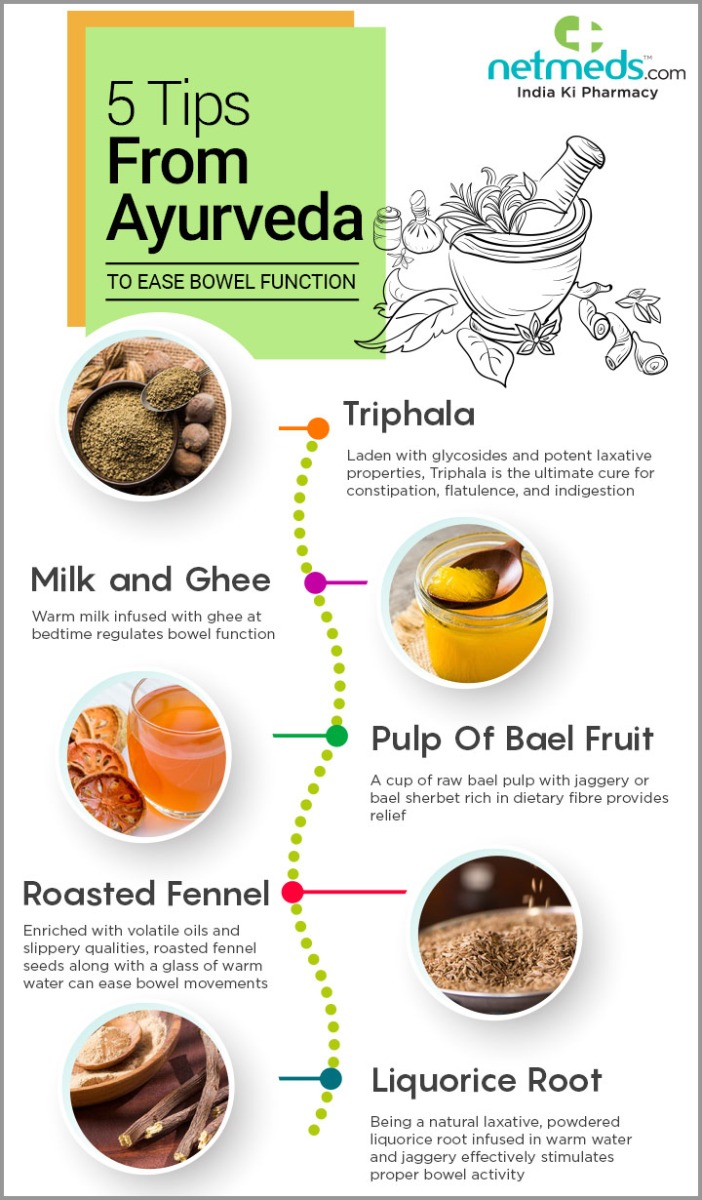
Constipation is a common issue that can affect anyone, disrupting daily routines and leading to discomfort. Ayurveda, an ancient system of holistic medicine, offers natural and effective approaches to relieve constipation and improve overall digestive health. In this blog, we’ll explore Ayurvedic treatments and remedies for constipation relief that are gentle, natural, and align with the body’s own rhythms.
Understanding Constipation in Ayurveda
In Ayurveda, constipation is often linked to an imbalance in Vata dosha. Vata is responsible for movement in the body, and when it becomes imbalanced, it can lead to dryness and difficulty in eliminating waste. Ayurvedic remedies focus on balancing Vata and ensuring that digestion and elimination work smoothly.
Ayurvedic Treatments and Remedies for Constipation Relief
- Triphala: The Ayurvedic Powerhouse
- What is Triphala?
Triphala is a blend of three fruits – Amla (Indian Gooseberry), Bibhitaki, and Haritaki. Known for its detoxifying and gentle laxative properties, it’s one of the most popular Ayurvedic remedies for constipation. - How to Use It: Mix 1 teaspoon of Triphala powder with warm water and take it before bed. This helps cleanse the digestive tract and regulate bowel movements, while also nourishing and rejuvenating the body.
- What is Triphala?
- Castor Oil: A Soothing Natural Laxative
- Benefits of Castor Oil
Castor oil is widely used in Ayurveda for its natural laxative properties. It lubricates the intestines, promoting smooth passage of stool and relieving constipation. - How to Use It: Take 1–2 teaspoons of warm castor oil on an empty stomach or before bedtime. Due to its strong effect, it’s recommended only occasionally for constipation relief.
- Benefits of Castor Oil
- Trikatu Churna: Digestive Spice Blend
- What is Trikatu?
Trikatu is a mix of three spices: black pepper, long pepper, and dry ginger. This blend helps to boost the digestive fire (Agni), facilitating smoother digestion and relieving constipation. - How to Use It: Take ½ teaspoon of Trikatu powder with warm water or honey before meals to stimulate digestion.
- What is Trikatu?
- Isabgol (Psyllium Husk): Fiber for Bulk and Ease
- Benefits of Isabgol
Isabgol, or psyllium husk, is rich in fiber and can add bulk to the stool, making it easier to pass. It absorbs water in the intestines, softening the stool and supporting healthy bowel movements. - How to Use It: Mix 1–2 teaspoons of Isabgol in warm water or milk and consume before bed. It’s a mild and effective remedy, especially for those with chronic constipation.
- Benefits of Isabgol
- Herbal Teas: Licorice Root and Fennel
- Benefits of Herbal Teas
Licorice root and fennel are calming herbs that help soothe the digestive tract, reduce bloating, and relieve constipation. Licorice root has a gentle laxative effect, while fennel promotes better digestion. - How to Use Them: Boil a teaspoon of dried licorice root or fennel seeds in water, strain, and drink before bedtime for relief from constipation.
- Benefits of Herbal Teas
- Warm Ghee with Milk: A Gentle Ayurvedic Remedy
- Benefits of Ghee and Milk
Warm milk with ghee is a gentle Ayurvedic remedy for constipation. Ghee lubricates the intestines, while warm milk soothes the digestive system. - How to Use It: Add 1–2 teaspoons of ghee to a glass of warm milk and drink it before bed. This combination works well to promote regular bowel movements and alleviate constipation.
- Benefits of Ghee and Milk
- Abhyanga (Ayurvedic Oil Massage): Stimulate Digestion
- Benefits of Abhyanga
Abhyanga is an Ayurvedic practice of oil massage that helps to calm Vata dosha and stimulate digestion. Regular oil massage helps relax the body, reduce stress, and promote better bowel movements. - How to Do It: Use warm sesame oil or coconut oil to massage your abdomen in a circular motion for 10–15 minutes. This can improve blood flow to the intestines and stimulate digestion.
- Benefits of Abhyanga
- Yoga and Breathing Exercises (Pranayama)
- Benefits of Yoga and Pranayama
Gentle yoga poses and breathing exercises like pranayama can improve circulation, reduce stress, and encourage bowel movements. - Recommended Yoga Poses: Pawanmuktasana (Wind-Relieving Pose) and Malasana (Squat Pose) are beneficial for stimulating digestion and relieving constipation.
- Pranayama Practice: Practicing Kapalbhati (Skull Shining Breath) or Anulom Vilom (Alternate Nostril Breathing) can also support regular bowel movements.
- Benefits of Yoga and Pranayama
Dietary and Lifestyle Tips for Constipation Prevention in Ayurveda
In addition to these remedies, adopting an Ayurvedic lifestyle can support long-term digestive health and help prevent constipation.
- Follow a Vata-Pacifying Diet: Warm, moist, and cooked foods with healthy fats (like ghee and sesame oil) are ideal for balancing Vata dosha. Avoid cold, dry, and processed foods as they can aggravate Vata.
- Eat at Regular Times: Consistent meal times help regulate digestion and the body’s natural elimination rhythm. Try to eat your main meal during the day, when digestion is strongest.
- Stay Hydrated: Drink warm water throughout the day to keep the digestive system hydrated and support bowel movements.
- Practice Mindfulness and Stress Reduction: Ayurveda recognizes the gut-brain connection. Managing stress through meditation, deep breathing, and mindfulness practices can improve digestion and reduce constipation.
Conclusion
Ayurveda offers a range of natural remedies and lifestyle practices to effectively manage and prevent constipation. By balancing Vata dosha, supporting digestion with the right diet, and using remedies like Triphala, herbal teas, and ghee with milk, you can achieve constipation relief naturally. Incorporating these Ayurvedic treatments into your daily routine can help you enjoy a balanced, healthy digestive system.
If constipation persists or worsens, consult an Ayurvedic practitioner or healthcare provider for personalized guidance and support.
