

-
rs5045100
- Posted on
- Categories:Blog
- 0 comments
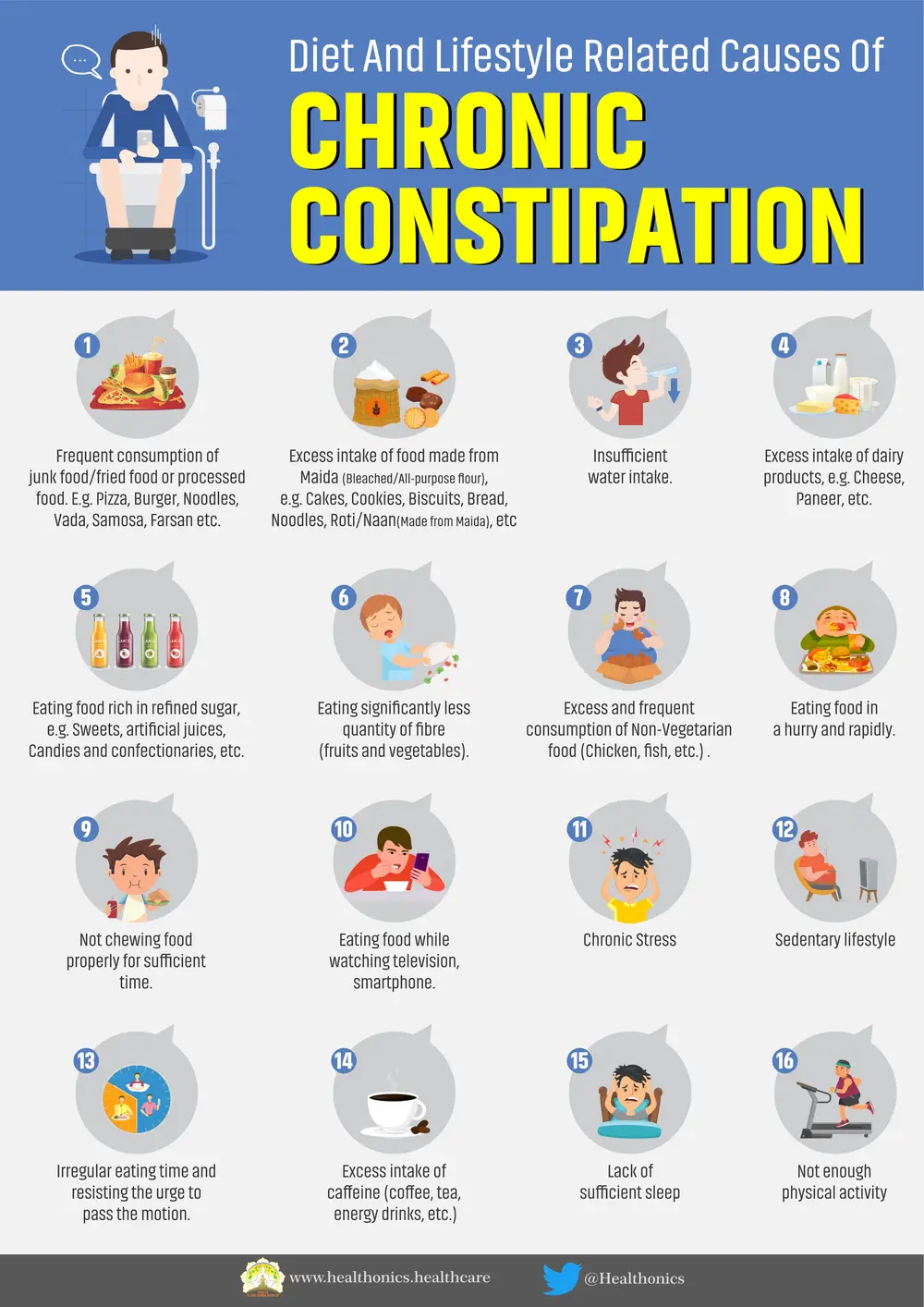
Constipation is a common issue that most people experience at some point. However, when constipation becomes persistent and interferes with daily life, it can become a serious health concern. Chronic constipation affects millions of people worldwide and can be a sign of underlying health issues. In this blog, we’ll explore the difference between occasional and chronic constipation, the potential causes of long-term constipation, and when it’s important to seek medical help.
What is Chronic Constipation?
Chronic constipation refers to constipation that lasts for several weeks or more and occurs regularly over a long period of time. Unlike occasional constipation, which may be caused by temporary factors like a change in diet, dehydration, or stress, chronic constipation is more persistent and often requires medical attention to identify and treat its root causes.
Defining Features of Chronic Constipation:
- Infrequent Bowel Movements: Bowel movements may occur less than three times a week.
- Difficulty Passing Stools: People with chronic constipation often experience strain or discomfort when passing stools.
- Hard or Lumpy Stools: Stools may be dry, hard, and difficult to pass.
- Incomplete Emptying: A feeling that the bowels haven’t fully emptied, even after a bowel movement.
- Abdominal Discomfort or Bloating: Chronic constipation can lead to bloating, cramping, or an overall feeling of fullness.
Occasional vs. Chronic Constipation
It’s important to differentiate between occasional and chronic constipation:
- Occasional Constipation: This is common and often triggered by temporary factors such as changes in diet, dehydration, travel, or stress. Occasional constipation usually resolves on its own with lifestyle changes like increasing fiber intake or drinking more water.
- Chronic Constipation: Chronic constipation persists for at least three months and can be caused by various underlying issues, including medical conditions, poor diet, or medications. If constipation is ongoing and unresponsive to simple treatments, it’s considered chronic and may require a more comprehensive approach to treatment.
Causes of Chronic Constipation
Several factors can contribute to chronic constipation, and sometimes multiple causes can be involved. Common causes include:
- Dietary Factors: A diet low in fiber or high in processed foods can significantly impact bowel regularity. Fiber is essential for adding bulk and moisture to stools, which makes them easier to pass.
- Sedentary Lifestyle: Physical activity stimulates the muscles of the digestive tract, promoting regular bowel movements. Lack of exercise or prolonged sitting can lead to constipation.
- Medications: Certain medications, including painkillers (especially opioids), antidepressants, antacids containing calcium or aluminum, and iron supplements, can lead to constipation as a side effect.
- Hormonal Imbalances: Conditions like hypothyroidism (underactive thyroid) and diabetes can disrupt digestive function and contribute to constipation.
- Irritable Bowel Syndrome (IBS): IBS is a common gastrointestinal disorder that can cause chronic constipation along with other symptoms like abdominal pain, bloating, and changes in stool appearance.
- Pelvic Floor Dysfunction: Problems with the muscles or nerves in the pelvic area can make it difficult to pass stool, leading to chronic constipation.
- Neurological Conditions: Conditions that affect the nervous system, such as Parkinson’s disease, multiple sclerosis, or spinal cord injuries, can interfere with bowel movements and cause constipation.
- Structural Problems: In some cases, anatomical abnormalities such as rectal or colon issues (e.g., strictures or tumors) can contribute to chronic constipation.
- Dehydration: Insufficient water intake can lead to hard, dry stools, which are difficult to pass.
When to Seek Help for Chronic Constipation
If you’ve been dealing with constipation for weeks or months without relief, it’s time to consult a healthcare provider. It’s important not to ignore chronic constipation, as it can lead to further complications like hemorrhoids, anal fissures, or impacted stool. Here are some signs that indicate it’s time to seek medical attention:
- Persistent Symptoms: If constipation lasts longer than a few weeks and doesn’t improve with dietary changes, increased hydration, or over-the-counter remedies, it may be a sign of an underlying condition.
- Severe Abdominal Pain: If constipation is accompanied by significant pain, cramping, or bloating, or if the pain is severe and unrelenting, it may signal a more serious issue like a bowel obstruction.
- Blood in Stool: The presence of blood in your stool or on toilet paper can be a sign of hemorrhoids or other more serious gastrointestinal conditions like colorectal cancer or diverticulosis.
- Unexplained Weight Loss: If chronic constipation is accompanied by unexplained weight loss, fatigue, or changes in appetite, this could be a sign of a more serious condition such as colon cancer or metabolic issues.
- Change in Stool Appearance: If you notice a significant change in the size, shape, or color of your stool (e.g., narrow, pencil-thin stools), it’s important to seek medical advice. This can sometimes indicate a blockage in the colon.
- Difficulty Swallowing or Nausea: If constipation is accompanied by difficulty swallowing, nausea, or vomiting, it could indicate a more serious gastrointestinal issue that needs prompt medical evaluation.
Diagnosis of Chronic Constipation
To diagnose chronic constipation, your healthcare provider may ask about your symptoms, medical history, and lifestyle factors. They may also perform certain tests to determine the underlying cause, including:
- Physical Exam: A simple physical examination can help identify signs of other issues, such as abdominal bloating or tenderness.
- Blood Tests: Blood work can check for underlying conditions like hypothyroidism, diabetes, or anemia.
- Imaging Tests: A colonoscopy, X-ray, or CT scan may be used to detect structural issues, obstructions, or tumors.
- Rectal Exam: A rectal exam may help assess the muscles and nerves responsible for bowel movements and identify any pelvic floor dysfunction.
- Motility Tests: These tests assess how well food and waste move through the digestive tract.
Treatment Options for Chronic Constipation
Treatment for chronic constipation depends on the underlying cause. Options may include:
- Dietary Changes: Increasing fiber intake with foods like fruits, vegetables, whole grains, and legumes can help bulk up stools and improve bowel movements.
- Hydration: Drinking plenty of water is crucial for softening stools and preventing constipation.
- Exercise: Regular physical activity stimulates the digestive system and promotes regular bowel movements.
- Medications: Laxatives (including osmotic, stimulant, and bulk-forming types) may be prescribed, but they should only be used under the guidance of a healthcare provider. Fiber supplements can also help.
- Biofeedback Therapy: For people with pelvic floor dysfunction, biofeedback therapy may help retrain the pelvic muscles to improve bowel movement coordination.
- Surgery: In rare cases, surgical intervention may be required to remove blockages, treat structural issues, or correct other underlying problems.
Conclusion
Chronic constipation can be a frustrating and uncomfortable condition that significantly impacts daily life. While occasional constipation can often be managed with dietary changes and lifestyle adjustments, chronic constipation requires more careful evaluation and treatment. If you experience persistent symptoms or notice signs of more serious health issues, don’t hesitate to consult a healthcare provider. Early intervention can help prevent complications and improve your overall digestive health. By understanding the causes, symptoms, and treatment options for chronic constipation, you can take proactive steps toward managing this condition and improving your quality of life.
